
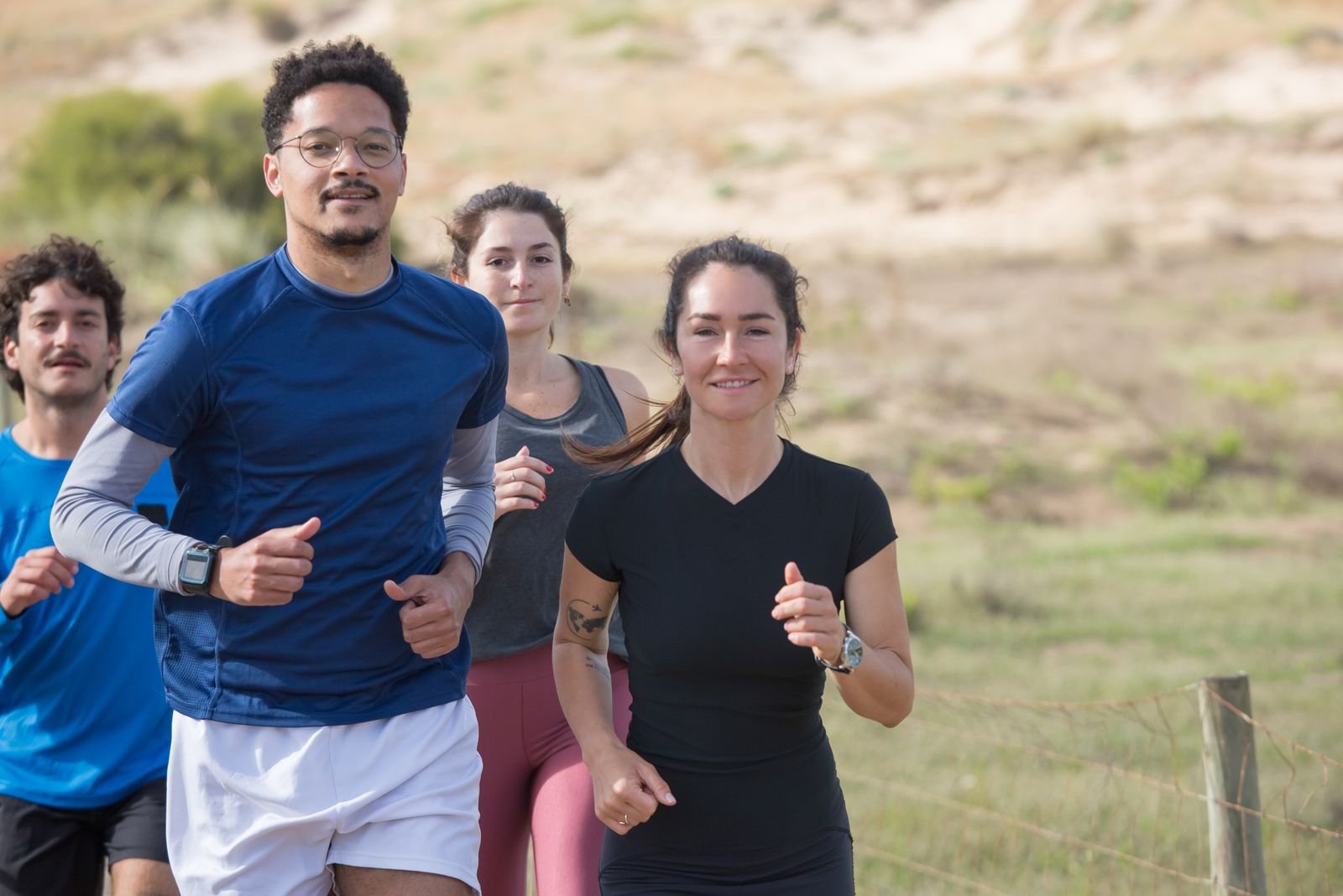
I don’t know about you, but this year I must have read at least 10 articles about how Gen Z is the generation that prefers herbal tea to alcohol and the now-famous morning clubs, or soft clubbing, to nightclubs. Whichever aspect we choose to focus on, the point is very clear: younger generations are increasingly embracing a healthy lifestyle, without that meaning they have to give up having fun.
This is where events such as soft clubbing come in: a way to go dancing and listen to music during the day, at times when drinking spirits is not usually the norm.
And I’ll tell you more: if you’re in Milan, Turin, Florence—in other words, one of the big cities—events where a morning club is preceded by a good morning run are becoming hugely popular.
So your Sunday could look something like this: an early start, a refreshing shower, getting ready, trainers as the only real dress code, a morning jog with around twenty people, some familiar and some new, and then everyone heads to one of these venues, where you move to the beat of house music while enjoying a lovely croissant and a glass of orange juice. That’s it.

But when did this shift from the nightclub craze to an obsession with a lifestyle that is as healthy and balanced as possible happen? And above all, where does this need come from?
Let’s start by stating one of the most obvious things: our parents, and before them our grandparents—generation after generation—grew up believing that a glass of wine with meals was healthy and that beer and pizza in front of a match made for a good Friday night.
Generations brought up, as the saying goes, on “bread and wine”, convinced that alcohol should not be demonised and that, on the contrary, it was perfectly right to include it in a balanced diet.
In recent years, awareness of the health risks of alcohol has grown. These risks were already known, but today they are increasingly at the centre of public debate. More and more people, especially young people, are sharing information about the effects of alcohol on the body, the mind and so on.
After years in which partying was associated with drinking spirits, sometimes to excess, the new generation is trying to challenge this myth and break the link that has formed between having fun and being drunk.
At a time when people are trying to live well and for as long as possible, every obstacle to that cause becomes an enemy to overcome.
Let’s not forget that today there is far more awareness of exercise and looking after the body than in the past. I might even go so far as to say that we are living through a period in which the fixation on appearance is reaching particularly high levels.

After exercise, alcohol, especially when consumed in large amounts, can hinder muscle protein synthesis. It also tends to worsen sleep quality, and all these factors can reduce training performance and make it harder to reach our goals.
And if you’ve also included food supplements in your routine, it’s worth remembering that we need to focus not only on what we take, but also on our everyday habits. Excessive alcohol consumption can interfere with recovery and sleep, potentially working against the goals we train for and choose to support with supplements.
For this reason, even before choosing a product from our range of supplements, it is important to start with a balanced lifestyle.