
Some people may find it obvious, while others might even see it as overrated. Some say that, to get results, it is just as important as exercise itself, while others skip it as though it were optional. We are talking about rest.
How often have you heard discussions about recovery times between sets, rest days to include in your routine, or the importance of giving your body a break from physical activity?
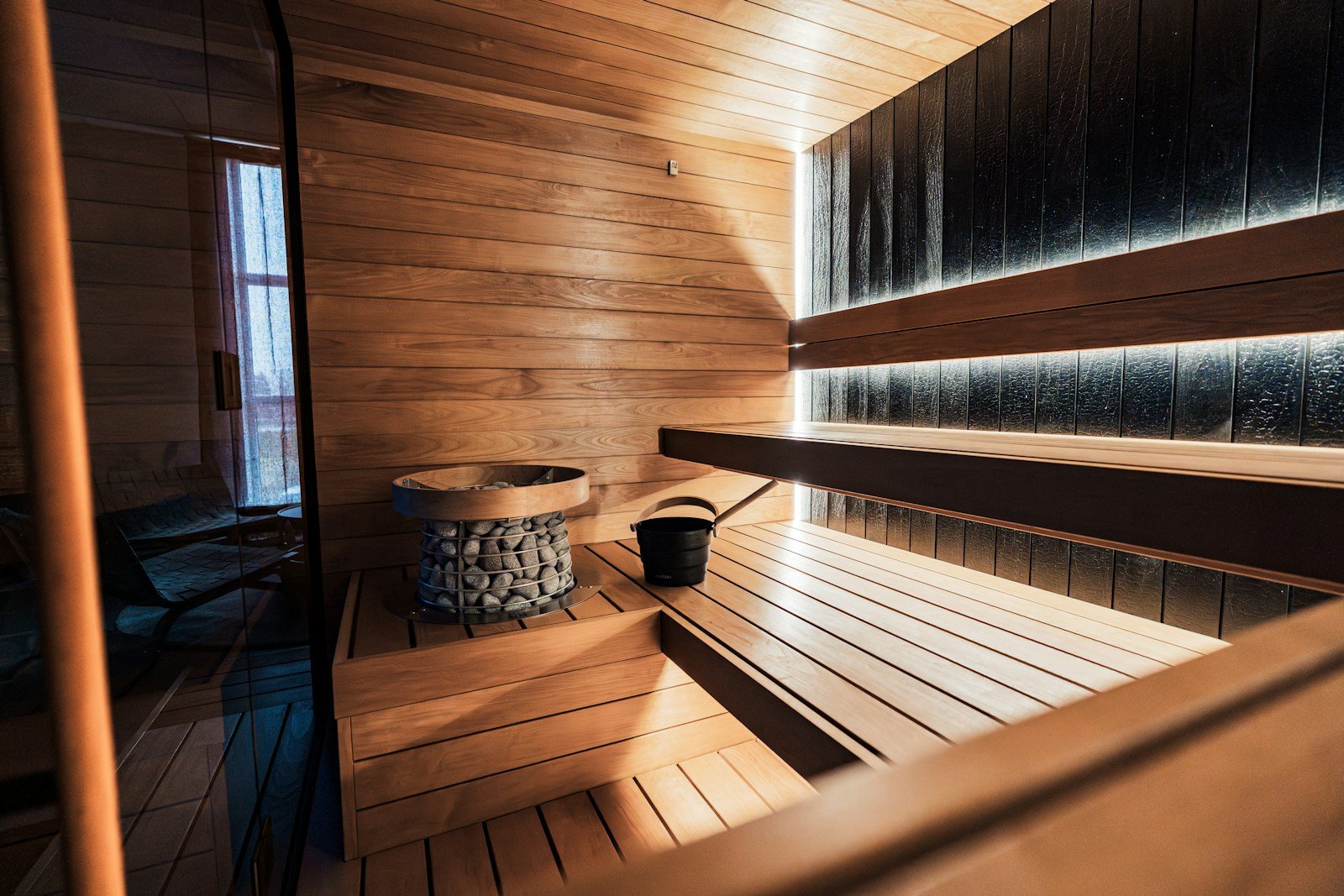
In recent years, however, the concept of rest seems to have taken on an increasingly broad meaning. Just look at the latest generation of gyms: alongside traditional weights rooms and fitness studios, they are starting to offer saunas, relaxation areas and even ice baths.
But are these new rituals, designed to help the body recover and regenerate, perhaps becoming just as important as training itself?
In fact, in some countries these practices have long been part of the culture of wellbeing. Think of Denmark, where sauna and cold bathing traditions are particularly widespread and there are numerous dedicated spaces, some of them public or free to access. Here, taking time for your wellbeing is not necessarily a luxury, but can be an integral part of your weekly routine.
And perhaps this is one of the most interesting aspects. At a time when we are constantly exposed to stimuli, commitments and hectic schedules, the need to truly switch off from everything is growing stronger. Rest is no longer just about muscle recovery, but also about setting aside a moment away from everyday distractions, devoted entirely to your physical and mental wellbeing.
But what actually happens to our bodies when we immerse ourselves in an ice bath or spend time in a sauna?
Heat dilates, cold constricts. This is one of the principles behind the two practices. The heat of a sauna promotes vasodilation, increasing blood flow to the skin, while exposure to cold causes vasoconstriction, temporarily reducing blood flow in the body’s peripheral areas.
Two opposing stimuli, then, which produce different physiological responses and can be used for different purposes.
Be careful, though, because these practices are not always suitable, especially when it comes to sports recovery.
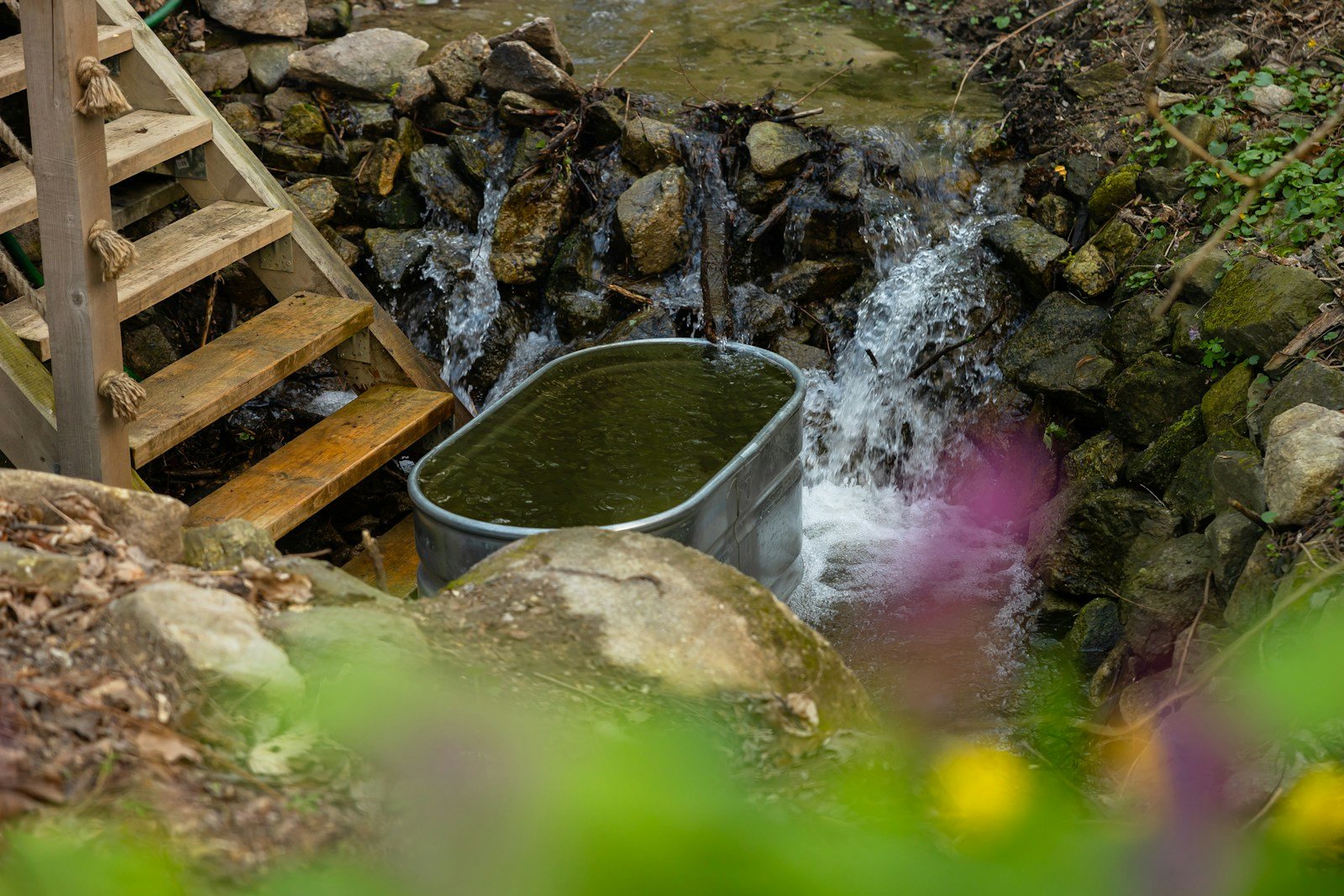
For example, immersing yourself in ice-cold water straight after strength training may not be the best choice if you want to increase muscle mass. Some studies suggest that cold-water immersion immediately after training, when practised regularly, may blunt some of the muscular adaptations associated with hypertrophy. For this reason, it may be preferable to save cold baths for recovery days or, in any case, leave some time between them and strength sessions.
There are also some important considerations when it comes to saunas. With a recent injury accompanied by swelling and acute inflammation, heat could contribute to increased oedema. In these cases, it is therefore best to avoid taking matters into your own hands and discuss with a professional when to resume this type of activity.
Another increasingly common practice is contrast therapy, which involves alternating exposure to heat and cold. Some people prefer to finish with cold water for a feeling of greater energy and mental clarity, while others choose heat to promote relaxation. However, there is no universally best sequence: much depends on the goal, individual tolerance and each person’s physical condition.
In short, saunas and ice baths can be an interesting addition to your wellbeing routine, but they should not become yet another compulsory item in your diary. Above all, they cannot replace the foundations of good recovery: sleep, adequate nutrition and proper management of training loads.

Recovery, in fact, is not limited to what we do after training, but also involves our daily habits. A balanced diet, quality sleep and, when necessary, targeted supplementation can help support the body’s normal functioning and the nutritional needs of people who are physically active.
For those who would like to explore this further, we invite you to discover the Italian Elite range of supplements, designed to accompany an active lifestyle and a mindful wellbeing routine.
We are definitely big fans of rest.
So, whether or not you have access to a sauna or a tub full of ice, always remember that rest is an integral part of training itself.
The body you push to the limit during your sets is the same one that accompanies you at every moment of the day. Learning to listen to it, respect its timing and give it proper recovery is just as important as putting in the effort during your workouts.
So give yourselves some well-earned relaxation and, if you get the chance, try these methods too as a way of caring for your mind and body.
Because sometimes, to keep improving, you also need to learn to stop.